

Transform Your Smile with Custom Dental Veneers Near You
Pristine Dental brings advanced porcelain veneers in Scottsdale to patients throughout our surrounding areas of Paradise Valley, Fountain Hills, and Phoenix. Under the care of Dr. Stephanie Smith and Dr. Keith Cooper, our practice delivers natural-looking cosmetic dentistry solutions that address multiple smile concerns in just a few visits. Porcelain veneers offer one of the fastest paths to a complete smile transformation—correcting discoloration, chips, gaps between teeth, and minor misalignment simultaneously. Whether you’re preparing for life’s important moments or simply ready to smile without hesitation, custom veneers can deliver the confidence boost you’ve been seeking.
Our Scottsdale dental office creates a welcoming space where your cosmetic goals take center stage. We dedicate consultation time to understanding your vision, explaining options clearly, and designing a treatment plan that reflects your personality. Every patient’s smile tells a different story, and our approach honors that individuality while leveraging proven techniques for lasting cosmetic results. Ready to explore what’s possible? Call (480) 935-2424 to schedule an appointment for your personalized veneer consultation and discover how this transformative cosmetic treatment works.
The Digital Impression Advantage: CEREC for Your Pristine Veneers
At Pristine Dental, we’ve elevated the art of cosmetic dentistry by embracing the CEREC (Chairside Economical Restoration of Esthetic Ceramics) CAD/CAM system. When it comes to crafting your custom dental veneers, we say goodbye to the messy, gag-inducing traditional putty impressions. Instead, our process begins with the CEREC intraoral scanner—a sleek, handheld camera that quickly takes thousands of high-definition, three-dimensional digital images of your teeth.
Choosing CEREC technology for your veneers at Pristine Dental offers a range of superior advantages:
 No Messy Impressions: Eliminates the discomfort and unpleasant taste associated with traditional gooey impression trays, making the experience vastly more patient-friendly.
- Single-Visit Completion: Because we design and mill your veneers in-house, most treatments—from scan to permanent placement—can be completed in just one appointment, eliminating the need for temporary veneers or follow-up visits.
- Superior Precision and Fit: The digital scanner captures microscopic details (down to microns) far more accurately than conventional methods, resulting in veneers with a much better marginal fit and reduced need for adjustments.
- Enhanced Customization: Our dentists can virtually analyze and manipulate the 3D model to ensure perfect aesthetics, shade matching, and a harmonious result that seamlessly blends with your natural smile.
What Are Porcelain Veneers?
Porcelain veneers are thin, custom-crafted shells of dental ceramic that bond to the front surfaces of teeth to enhance their appearance. These restorations typically measure 0.5 to 0.7 millimeters thick and are designed to match the natural translucency and color characteristics of surrounding teeth. Unlike crowns that encase the entire tooth, veneers address the visible front portion, making them a conservative option for smile enhancement. The porcelain material resists staining better than natural enamel and typically lasts 10 to 15 years with proper maintenance.
Types of Porcelain Veneers
Different veneer styles accommodate varying patient needs and preferences. Understanding your options helps guide treatment decisions for your new smile.
- Traditional Porcelain Veneers: These traditional veneers require the removal of approximately 0.5mm of natural tooth enamel to create proper space. They offer maximum versatility for correcting significant discoloration, reshaping misshapen teeth, and closing gaps between teeth.
- No Prep Veneers: Ultra-thin designs requiring little to no enamel removal in select cases. No prep veneers work well for patients with naturally aligned teeth seeking color enhancement or minor shape adjustments while preserving natural tooth structure.
- Composite Veneers: Made from composite resin material rather than porcelain, composite veneers can be applied in a single visit. While more affordable, composite veneers typically last five to seven years compared to porcelain veneers’ 10-15 year lifespan and are more prone to staining.
- Lumineers: A specific brand of no-prep veneers measuring approximately 0.3mm thick, often marketed as reversible. Best suited for subtle enhancements rather than dramatic transformations.
- Full Mouth Veneers: Comprehensive treatment covering eight to 10 teeth per arch (16-20 total) for complete smile makeovers. This approach ensures symmetry and consistent coloration across your entire beautiful smile.
Benefits of Porcelain Veneers
Porcelain veneers deliver multiple advantages that extend beyond simple aesthetics, combining functional improvements with lasting confidence for your healthy smile.
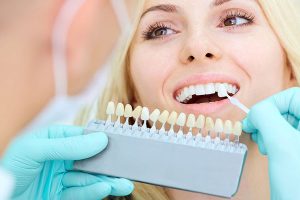 Comprehensive Aesthetic Correction: A single cosmetic treatment addresses multiple cosmetic imperfections—permanent staining, a chipped tooth, cracked teeth, worn edges, minor spacing issues, and crooked teeth. This efficiency eliminates the need for several separate procedures over months or years, helping you achieve whiter teeth quickly.
- Natural Light-Reflecting Properties: High-quality dental porcelain mimics natural tooth enamel’s translucency and depth, preventing the flat, opaque appearance of older cosmetic dentistry options. Skilled dental laboratory technicians layer different shades to create a dimension that blends seamlessly with natural teeth.
- Superior Stain Resistance: Unlike natural teeth that absorb pigments from coffee, tea, wine, and tobacco, porcelain veneers stain much less readily. The stain-resistant surfaces remain non-porous and highly resistant to staining agents. Your bright smile maintains its original shade throughout the restoration’s lifespan.
- Long-Term Durability with Proper Care: Porcelain withstands normal biting and chewing forces when bonded with dental cement. Many patients enjoy their permanent veneers for 15 years or longer with proper care and good oral hygiene.
Conservative Tooth Preservation: Compared to dental crowns, porcelain veneers preserve significantly more natural tooth structure since they cover only the front surface. For structurally sound teeth with cosmetic flaws, this offers an ideal balance between preservation and enhancement.
- Confidence Transformation: The psychological impact extends beyond appearance—many patients report feeling more confident in professional settings, social situations, and photographs. When you’re not self-conscious about stained teeth or minor cosmetic imperfections, you naturally engage more freely.
- Biocompatible Material: Dental porcelain is well-tolerated by gum tissue and healthy gums without triggering allergic reactions. The inert material doesn’t corrode or degrade in the oral environment, supporting long-term oral health.
Ideal Candidates for Porcelain Veneers
Veneers deliver optimal results for patients with specific concerns and realistic expectations about the process.
- Permanent Staining Cases: Intrinsic discoloration from medications, fluorosis, or internal tooth darkening that doesn’t respond to professional whitening can be effectively masked with custom shade selection.
- Minor Alignment Concerns: Slight crowding, rotations, or spacing you’d prefer to correct without orthodontics can be addressed through strategic reshaping and repositioning of visible surfaces.
- Chipped or Worn Teeth: Years of grinding, acidic erosion, or accidents leave teeth with damaged edges and uneven lengths that veneers restore to natural proportions while providing renewed protection.
- Smile Symmetry Goals: Teeth appearing too small, too large, or disproportionate to facial features can be resized and reshaped for balanced aesthetics that enhance overall appearance.
- Maintenance Commitment: Successful long-term outcomes require excellent oral hygiene, regular dental visits, and protective habits like wearing nightguards for grinding and avoiding biting hard objects.
Ready to explore how veneers can transform your smile? Contact Pristine Dental at (480) 935-2424 to schedule your consultation with Dr. Smith or Dr. Cooper. We’ll assess your needs and create a personalized treatment plan.
Real Patients, Real Results
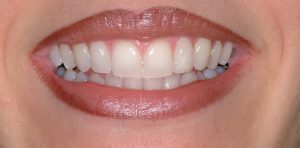
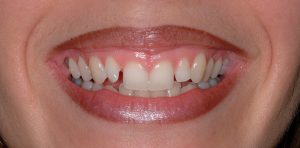
Check out this amazing transformation made possible with porcelain veneers at Pristine Dental. Take a look at our Smile Gallery to discover how cosmetic and restorative dentistry in Scottsdale, AZ, can help you achieve the smile of your dreams.
The Porcelain Veneer Process
Understanding what happens during treatment helps reduce anxiety and set appropriate expectations. The veneer process typically unfolds across several carefully planned visits.
 Initial Consultation and Smile Analysis
During your first appointment (60-90 minutes), we conduct a comprehensive examination of your teeth, gums, and bite while discussing aesthetic goals in detail. We also review dental history to identify any issues like active decay or gum disease requiring attention before veneer placement. Digital impressions or traditional molds capture your current tooth structure.
At Pristine Dental, our Cerac™ CAD/CAM scanner sends 3D images of your teeth to the dental laboratory. This computer-aided design technology is superior to the traditional dental impression because the level of detail is that much greater.
Treatment Planning and Tooth Preparation
Once you approve the design, we prepare teeth by removing a thin enamel layer—typically 0.5mm—to create space for restorations. This step uses local anesthesia for comfort. Precision instruments ensure even reduction while preserving maximum tooth structure. After preparation, we take final impressions with detailed shade information and send specifications to our ceramist. Temporary veneers protect teeth and maintain appearance during the two to three-week fabrication period.
Optional Try-In Appointment
When custom veneers arrive, we may schedule a try-in visit (15-30 minutes) before final bonding. We place veneers without adhesive to verify fit, shape, and color. You evaluate appearance in different lighting and decide if adjustments are needed. Minor modifications can be made, or veneers can return to the ceramist for refinements if necessary.
 Final Bonding and Placement
The placement appointment (90-120 minutes) begins with thoroughly cleaning and etching prepared tooth surfaces. Each veneer receives special coupling agent treatment, then adhesive resin cement is applied to both the tooth and the veneer interior. We carefully position each restoration and use a curing light to harden cement. After removing excess cement, we check bite alignment and perform final polishing for smooth margins.
Follow-Up Evaluation and Monitoring
Approximately one to two weeks after placement, you return for follow-up (20-30 minutes). We examine veneers for proper seating, check gum tissue response, and ensure bite comfort. This visit addresses minor discomfort or sensitivity and allows final occlusal adjustments. We reinforce care instructions and answer maintenance questions. During routine six-month checkups, we continue monitoring the veneer condition and surrounding tissue health.
Veneer Considerations, Risks, and Alternatives
Traditional veneers require permanent removal of a thin enamel layer, meaning treated teeth will always need coverage with veneers or crowns in the future. This commitment is irreversible, though the amount removed is conservative compared to crown preparation. Some patients experience temporary sensitivity to temperature after preparation, particularly while wearing temporaries. This typically resolves after final veneers are placed, though occasionally it persists for several weeks as the tooth nerves adjust.
While porcelain is durable, it can chip or fracture under excessive force. Patients who grind teeth need protective nightguards. Avoiding hard foods and not using teeth as tools minimizes damage risk. Proper bonding and reasonable precautions keep fracture risk very low.
 Common Alternatives to Dental Veneers
- Professional Teeth Whitening: For discoloration without structural damage, whitening offers non-invasive treatment without enamel removal at a lower cost, though it won’t address chips, gaps, or shape concerns.
- Dental Bonding: Composite resin repairs minor chips and closes small gaps without enamel removal, completed in a single visit. More affordable and reversible, but offers less stain resistance and shorter lifespan (five to seven years versus 10-15 for veneers).
- Orthodontics: For significant alignment issues, braces or clear aligners actually move teeth into the proper position rather than masking misalignment. Requires a longer treatment time but preserves natural tooth structure.
Caring for Your Porcelain Veneers
Proper maintenance extends veneer lifespan while protecting your investment. While veneers don’t require complex special care, certain practices optimize long-term success.
Veneers need the same hygiene foundation as natural teeth—brushing twice daily with non-abrasive toothpaste, daily flossing, and professional cleanings every six months. The porcelain surface resists staining, but gum tissue health remains critical for supporting restorations.
- Protective Measures for Grinders: If you grind or clench teeth, wearing a custom nightguard prevents excessive force that could chip or fracture porcelain over time.
- Avoid Damaging Habits: Don’t use teeth as tools to open packages, bite fingernails, or chew hard objects like ice or hard candy that could crack restorations.
- Regular Professional Monitoring: Six-month dental cleanings allow us to examine veneers for any signs of wear, marginal gaps, or bonding issues before they become problematic.
- Prompt Attention to Changes: Contact us immediately if you notice chips, unusual sensitivity, or changes in how veneers feel against your tongue or lips.
- Whitening Considerations: While porcelain doesn’t respond to whitening treatments, any exposed natural tooth structure can still be whitened if desired to maintain color consistency.
Investment in Your Smile
Veneer costs vary based on several factors, including the number of teeth treated, the materials selected, and case complexity. While specific pricing is determined during consultation, understanding investment considerations helps with planning.
Traditional porcelain veneers typically represent a moderate-to-significant cosmetic investment per tooth, with full smile makeovers involving multiple restorations. Factors affecting final cost include the ceramist’s skill level, preparation complexity, any preparatory treatments needed (like gum recontouring), and whether additional cosmetic procedures complement veneer placement.
We provide detailed treatment plans with transparent pricing during your consultation, ensuring no surprise costs. We also discuss dental financing options to make your smile goals achievable, working within your budget to create feasible treatment timelines. Investment in your smile often yields returns in confidence, professional opportunities, and quality of life that extend far beyond the initial cost.