

Save Your Tooth and End Your Pain with Advanced Endodontic Care
If you’re experiencing a severe toothache, temperature sensitivity, or swelling around a tooth, don’t wait. These symptoms often indicate an infection that requires prompt treatment to save the tooth. Delaying care allows infection to spread, potentially requiring extraction instead of the simpler root canal procedure.
At Pristine Dental in Scottsdale, AZ, Dr. Stephanie Smith and Dr. Keith Cooper use advanced technology and proven techniques to save infected teeth while eliminating pain—not causing it. Most patients report that root canal treatment feels no worse than getting a routine filling. Our practice serves patients throughout Paradise Valley, Fountain Hills, and Phoenix with comfortable, precise endodontic care that preserves your natural tooth and restores your oral health.
Contact our Scottsdale dental office at (480) 935-2424 to schedule an evaluation. We offer same-day emergency appointments for severe dental pain and will get you comfortable quickly.
Why Choose Pristine Dental for Root Canal Therapy
Dr. Smith and Dr. Cooper bring exceptional skill and technology to root canal treatment, ensuring your procedure is as comfortable and successful as possible.
- CBCT 3D Imaging Technology: Our Sirona Orthophos SL 3D cone beam scanner reveals the exact anatomy of your tooth’s root canals, including hidden canals that traditional X-rays miss. This detailed visualization allows precise treatment planning and increases success rates.
- Dr. Smith’s Root Canal Expertise: Dr. Smith has completed advanced training in endodontic procedures and performs root canal therapy regularly as part of her comprehensive general dentistry practice. Her patient-centered approach includes taking extra time to ensure you’re comfortable throughout treatment.
- Multiple Sedation Options: We offer both oral sedation and nitrous oxide gas to ease dental anxiety. Dr. Smith specializes in making patients comfortable and provides these options to ensure your root canal experience is stress-free.
- Complimentary Desensitizer Treatment: Dr. Smith includes desensitizer application under all restorations to minimize post-operative sensitivity, a standard part of her pain-free dentistry approach.
- Biolase Waterlase iPlus Laser: Dr. Cooper has over 20 years of laser dentistry experience. Laser technology allows for more precise cleaning of infected root canals with less discomfort and faster healing than traditional methods alone.
What Is Root Canal Therapy?
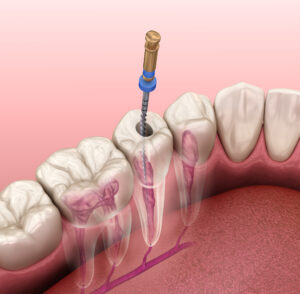 Root canal therapy is a dental procedure that removes infected or damaged tissue from inside a tooth to save it from extraction. Each tooth contains soft tissue called pulp in the center, which houses nerves and blood vessels. When decay, cracks, or trauma allow bacteria to reach this pulp, infection develops, causing severe pain and potentially forming abscesses.
Root canal treatment removes the infected pulp, cleans and disinfects the interior canals, and then seals the space to prevent reinfection. A crown typically covers the tooth afterward to restore strength and function. This procedure eliminates pain, saves your natural tooth, and allows it to function normally for many years.
Benefits of Root Canal Therapy
Saving your natural tooth through root canal treatment offers advantages that extraction cannot match.
- Pain Relief and Infection Elimination: Root canal therapy removes the infected tissue causing your toothache, providing dramatic pain relief usually within 24-48 hours.
- Preserve Your Natural Tooth: Keeping your natural tooth maintains proper chewing function, prevents neighboring teeth from shifting, and avoids the bone loss that follows extraction.
- Cost-Effective Long-Term Solution: While root canal treatment plus a crown requires investment, it typically costs less than extraction followed by implant placement.
- Efficient Treatment Timeline: Most root canals are completed in one or two appointments, each lasting 60-90 minutes.
- Maintain Natural Bite and Appearance: Your treated tooth looks and functions exactly like your other natural teeth once restored with a crown.
- Prevent Serious Health Complications: Untreated tooth infections can spread to surrounding tissues, the jawbone, and even into the bloodstream, potentially causing serious health problems.
- More Comfortable Than Extraction: Despite its reputation, root canal treatment typically causes less post-operative discomfort than extraction.
- High Success Rate: Modern root canal therapy succeeds in approximately 95% of cases.
Ready to save your tooth and end your pain? Call (480) 935-2424 to schedule your root canal consultation with Dr. Smith or Dr. Cooper.
Who Is a Good Candidate for Root Canal Therapy?
Root canal treatment becomes necessary when the tooth pulp becomes infected, inflamed, or damaged beyond the body’s ability to heal.
 Patients with Persistent Tooth Pain: Severe, lingering pain when chewing or applying pressure often indicates pulp infection requiring root canal treatment.
- Those Experiencing Extreme Temperature Sensitivity: Suggests nerve damage or inflammation inside the tooth requiring endodontic treatment.
- Individuals with Dental Abscesses: These situations require immediate root canal treatment to eliminate infection and prevent serious complications.
- People with Deep Decay or Large Fillings: When cavities extend deep into a tooth or large fillings compromise tooth structure, bacteria may reach the pulp chamber.
- Anyone with Cracked or Fractured Teeth: Cracks that extend into the pulp chamber expose nerves and blood vessels to bacteria, causing infection.
- Patients with Darkened or Discolored Teeth: A tooth that darkens compared to surrounding teeth often indicates pulp death from trauma or deep decay.
- Those Wanting to Avoid Extraction: If you prefer saving your natural tooth over extraction and replacement, root canal therapy offers the best chance to preserve the tooth while eliminating infection and restoring function.
The Root Canal Process – Step by Step
Examination and Diagnosis
Dr. Smith or Dr. Cooper examines your tooth, reviews your symptoms, and takes digital X-rays or CBCT scans to assess the extent and canal anatomy. The 3D imaging reveals the number of canals, their shape, and any complications that might affect treatment. We discuss your diagnosis, explain why root canal therapy is necessary, and answer your questions about the procedure.
Anesthesia and Sedation
We administer local anesthesia to numb the tooth and the surrounding area completely. You’ll feel pressure during treatment, but no pain. If you experience dental anxiety, we offer nitrous oxide gas for relaxation or oral sedation for a deeper calm. Once you’re comfortable and numb, we place a rubber dam around the tooth to keep it dry and isolated during the procedure.
Accessing and Cleaning the Canals
We create a small opening in the tooth’s chewing surface to access the pulp chamber. Using specialized instruments and our advanced laser technology, we carefully remove infected pulp tissue from the chamber and root canals. The canals are thoroughly cleaned, shaped, and disinfected. Dr. Cooper’s 20+ years of laser experience allow for exceptional sterilization that eliminates bacteria traditional methods might miss.
Filling the Canals
Once the canals are completely clean and dry, we fill them with a biocompatible rubber-like material called gutta-percha that seals the space and prevents future infection. The filling extends from the canal opening down to the root tip, ensuring no empty spaces remain where bacteria could grow. We then seal the access opening with temporary or permanent filling material.
Crown Placement
Most teeth requiring root canal therapy need a crown for protection and strength restoration. The procedure removes significant tooth structure, making the tooth more brittle and prone to fracture. We’ll discuss crown options and timing—some crowns are placed immediately, while others require a second appointment. The crown restores your tooth’s appearance and allows normal chewing function.
Follow-Up Care
We schedule a follow-up appointment to ensure you’re healing properly and experiencing no complications. Most patients feel significantly better within a few days as the infection resolves. We’ll take X-rays periodically over the following months and years to verify the root canal remains successful, and no reinfection has occurred.
Caring for Your Root Canal Results
Proper aftercare ensures your treated tooth heals correctly and lasts for many years.
 Manage Initial Discomfort: Mild soreness for two to three days after treatment is normal as inflammation subsides. Over-the-counter pain relievers like ibuprofen typically provide adequate relief.
- Maintain Excellent Oral Hygiene: Brush twice daily and floss around the treated tooth just like your other teeth. Root canal therapy doesn’t make teeth immune to new decay, so consistent cleaning prevents future problems.
- Attend Crown Placement Promptly: If your crown requires a second appointment, don’t delay scheduling it. Teeth with root canal therapy are vulnerable to fracture until the crown is placed, and waiting too long risks breaking the tooth beyond repair.
- Avoid Hard Foods Initially: Stick to softer foods and avoid chewing directly on the treated tooth. Once a permanent crown is placed and fully set, you can return to eating normally without restrictions.
- Watch for Warning Signs: Contact us immediately if you experience severe pain, visible swelling, or if your temporary filling or crown falls out. While rare, these situations require prompt attention to prevent complications.
- Keep Regular Dental Appointments: Schedule cleanings and exams every six months.
- Consider a Nightguard: If you grind or clench your teeth, ask about a custom nightguard. Grinding places excessive force on teeth and can cause cracks or crown failure over time.
Cost & Dental Financing
Root canal therapy costs vary based on which tooth requires treatment and the complexity of the case. Front teeth with single canals typically range from $800-$1,200, while molars with multiple canals cost $1,200-$2,000. The crown needed afterward adds $1,000-$2,500, depending on the material chosen.
Insurance Coverage
Most dental insurance plans cover 50-80% of root canal therapy as it’s considered necessary treatment, not cosmetic. We’ll verify your benefits and provide accurate cost estimates before beginning treatment.
Flexible Financing
We accept CareCredit and other healthcare financing options that offer monthly payment plans. These programs make treatment affordable by spreading the cost over six to 24 months, often with promotional interest-free periods.
Important Considerations & Alternatives
Root canal therapy succeeds in approximately 95% of cases, but certain factors can affect outcomes. Teeth with severe cracks extending below the gumline, insufficient remaining tooth structure, or advanced bone loss around the roots may not be savable through root canal treatment alone.
Temporary sensitivity and mild discomfort for a few days after treatment are normal as your body heals. Serious complications like persistent infection or instrument breakage inside the canal are rare—occurring in less than 5% of cases—and can usually be addressed through retreatment or referral to an endodontic specialist.
Common Alternatives
If root canal therapy isn’t possible or you prefer not to save the tooth, consider these options:
- Tooth Extraction: Removal eliminates infection immediately, but creates a gap requiring replacement to prevent bite problems and bone loss. This option costs less initially but typically requires future implant or bridge placement.
- Dental Implant: After extraction, an implant post is surgically placed in the jawbone and topped with a crown. This provides excellent long-term function but requires more time, surgery, and investment than saving the natural tooth.
- Dental Bridge: A bridge replaces an extracted tooth by crowning adjacent teeth and attaching an artificial tooth between them. This option works well but requires altering healthy neighboring teeth.
- Do Nothing: Ignoring an infected tooth allows the infection to spread, potentially causing an abscess, bone loss, and serious health complications. This is never advisable and typically results in more complex, expensive treatment later.
Frequently Asked Questions
Most root canal procedures are completed in 60-90 minutes, though complex cases or molars with multiple canals may take slightly longer. Simple front teeth with single canals often require just one appointment, while molars may need two visits to ensure thorough cleaning and proper healing. Dr. Smith takes the time needed to perform the procedure correctly rather than rushing, as thoroughness directly impacts long-term success.
While uncommon, reinfection can occur if bacteria enter through a cracked crown, an inadequate seal, or a missed canal during the original treatment. Our CBCT 3D imaging significantly reduces this risk by revealing all canals before we begin, including the curved or hidden canals that traditional X-rays might miss. Proper crown placement and good oral hygiene after treatment minimize reinfection risk to less than five percent.
Most teeth requiring root canal treatment do need crowns for protection and longevity. The procedure requires removing significant tooth structure to access the pulp chamber, leaving the tooth weaker and more prone to fracture. Front teeth with minimal structural loss occasionally need only fillings, but molars that handle heavy chewing forces always require crowns. Dr. Smith will assess your specific tooth and recommend the restoration that provides the best long-term outcome.
Ignoring an infected tooth allows bacteria to spread into the surrounding bone, potentially forming a painful abscess. The infection can spread to adjacent teeth, into the jaw, and rarely into the bloodstream, causing serious health problems. Eventually, the tooth will need extraction, requiring more complex and expensive replacement with an implant or bridge. Addressing infection promptly through root canal therapy is always the simpler, more comfortable, and more economical choice.
Mild to moderate discomfort for two to four days after treatment is completely normal as the surrounding tissues heal from the infection and procedure. This usually feels like soreness or tenderness when biting and responds well to over-the-counter pain medication. However, severe pain, swelling, or symptoms lasting more than a week may indicate complications requiring follow-up. Contact us immediately if you experience these warning signs.
Most dental insurance plans cover 50-80% of root canal therapy because it’s considered a necessary treatment to save a tooth and prevent the spread of infection. Coverage varies by plan, so we’ll verify your specific benefits before treatment and provide an accurate estimate of your out-of-pocket costs. Even without insurance, root canal therapy typically costs less than extraction plus implant replacement, making it the more economical choice for saving your tooth.