

Restore Your Smile with Premium Dental Crowns Near You
When a damaged, weakened, or worn tooth threatens your smile and oral health, dental crowns offer a time-tested solution that combines strength, beauty, and lasting protection. At Pristine Dental, Dr. Stephanie Smith and Dr. Keith Cooper bring decades of combined expertise to crafting custom crowns that restore full function while blending seamlessly with your natural teeth. Whether you’re protecting a tooth after root canal therapy, repairing extensive decay, or enhancing your smile’s appearance, our Scottsdale dental team delivers crowns built to last.
Located conveniently on East Thomas Road, our modern Scottsdale dental practice serves patients from Paradise Valley, Fountain Hills, and Phoenix with same-day emergency care and flexible scheduling options. Our state-of-the-art CEREC technology allows us to design, create, and place your custom crown in a single visit—eliminating temporary crowns and multiple appointments. Call (480) 935-2424 today to schedule your crown consultation and discover how we can restore your confidence with expertly crafted restorations.
Pristine Dental, Your Comprehensive Restorative Dental Practice Near Phoenix
At Pristine Dental in Scottsdale, Arizona, every smile receives the extraordinary care it deserves in a state-of-the-art, family-owned practice where modern expertise meets a genuinely gentle touch. Led by experienced dentists Dr. Keith Cooper and Dr. Stephanie Smith, the team specializes in transforming lives through advanced restorative dentistry and luxury cosmetic treatments, tailored sedation options for complete anxiety-free comfort, and comprehensive family and general dentistry for patients of all ages. From same-day emergency care and flexible scheduling that fits busy Phoenix-area lifestyles to digital technologies ensuring precise, pain-free results, Pristine Dental builds lasting relationships in a welcoming, relaxed environment that prioritizes your confidence, wellness, and beautiful, natural-looking outcomes—because here, “You Deserve a Level of Expertise That Goes Beyond the Ordinary!”
Dental Crowns: Protection That Looks and Feels Natural
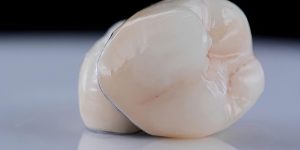 A dental crown functions as a protective cap that completely covers a damaged or compromised tooth, extending from the chewing surface down to the gum line. Think of it as custom armor for your tooth—precisely engineered to restore full strength while maintaining the natural appearance of your smile.
Unlike fillings that repair only a portion of a tooth, crowns encase the entire visible structure. This comprehensive coverage makes crowns ideal when teeth have suffered extensive damage, undergone root canal treatment, or weakened to the point where fillings can no longer provide adequate support.
Why Saving Natural Teeth Matters
Modern dentistry prioritizes preserving your natural teeth whenever possible, and crowns play a crucial role in this conservative approach. Each natural tooth serves essential functions that artificial replacements cannot fully replicate. Your tooth roots stimulate the jawbone, maintaining density and preventing the bone loss that leads to facial structure changes.
When Do You Need a Dental Crown?
Several situations call for crown placement to restore or protect teeth:
- Following Root Canal Therapy: Root canal treatment removes the tooth’s internal nerve and blood supply, leaving the remaining tooth structure more brittle and prone to fracture.
- Extensive Decay or Large Fillings: When decay affects more than half of a tooth’s structure, or when large fillings have weakened the remaining enamel, crowns distribute chewing forces evenly across the entire tooth.
- Cracked or Fractured Teeth: Cracks that extend below the gum line or affect significant portions of a tooth require crown coverage to hold the remaining structure together.
- Severe Wear from Grinding: Chronic teeth grinding wears down enamel, leaving teeth vulnerable to sensitivity, decay, and fracture.
- Cosmetic Enhancement: Teeth with severe discoloration that doesn’t respond to whitening, congenital abnormalities affecting tooth shape, or significant chips impacting your smile’s appearance benefit from crown placement.
- Supporting Dental Bridges: When replacing missing teeth with fixed bridges, crowns on adjacent teeth provide stable anchors that support the restoration.
- Completing Dental Implants: Dental implants require crowns to complete the restoration.
Crown Materials: Choosing the Right Option for Your Needs
At Pristine Dental, we use high-quality ceramic dental crowns, often referred to as porcelain crowns, to restore strength, function, and natural appearance. These metal-free restorations are designed to blend seamlessly with your surrounding teeth while delivering long-lasting performance.
All-Ceramic Crowns for Natural-Looking Results
Ceramic crowns are known for their lifelike translucency and enamel-like finish. Because they reflect light similarly to natural teeth, ceramic crowns are ideal for visible areas of the smile. They are also color-stable, helping your restoration maintain a consistent shade over time.
Ceramic crowns are biocompatible and metal-free, reducing the risk of sensitivity and eliminating dark lines near the gum line. This makes them a popular choice for patients seeking a natural-looking, comfortable dental crown.
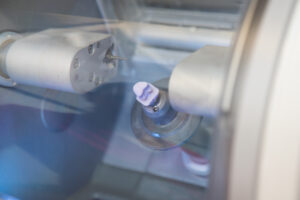 CEREC Same-Day Ceramic Crowns
Pristine Dental offers CEREC same-day crowns using advanced CAD and CAM technology. This process allows us to design, mill, and place your ceramic crown in a single visit, often in about 90 minutes.
Digital scanning replaces traditional impressions for improved accuracy and comfort. Your crown is milled in-office from a solid ceramic block, providing a precise fit and immediate results. With CEREC, there is no temporary crown and no need for multiple appointments.
The Crown Placement Process: What to Expect
Understanding the crown procedure helps patients feel confident and prepared. While specific steps may vary based on your situation, most crown placements follow a similar sequence.
Initial Consultation and Treatment Planning
Your crown journey begins with a comprehensive examination and digital X-rays that allow Dr. Smith or Dr. Cooper to evaluate your tooth’s structure, surrounding bone, and overall oral health. This assessment determines whether crown placement can proceed immediately or requires preliminary treatments.
During consultation, we discuss crown material options and explain how each choice addresses your specific needs. We consider factors including tooth location, chewing forces, aesthetic requirements, and your budget. Our team provides clear cost estimates and insurance coverage information before beginning treatment.
Tooth Preparation: Creating Space for Your Crown
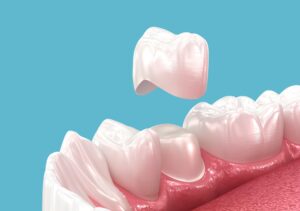 Crown placement requires removing a portion of your tooth’s outer structure to create space for the crown while maintaining adequate tooth support. Dr. Smith or Dr. Cooper carefully reshapes your tooth, removing just enough enamel to accommodate the crown’s thickness while preserving maximum tooth structure.
Local anesthesia ensures complete comfort during preparation. For patients with dental anxiety, we offer additional sedation options that allow you to relax completely while we work. The preparation process typically takes 30-45 minutes, depending on the tooth’s condition and complexity.
If extensive decay has compromised tooth structure, we may need to build up the remaining tooth with filling material before crown placement. This core buildup provides the foundation necessary for long-term crown success.
Digital Impressions: Precision Without Traditional Molds
Modern digital impression technology has replaced uncomfortable traditional molds at Pristine Dental. Our intraoral scanner captures thousands of images per second, creating a precise 3D model of your prepared tooth and surrounding teeth. This digital approach eliminates the gagging and discomfort associated with impression putty while providing superior accuracy for crown fabrication.
Crown Fabrication and Placement Options
Same-Day CEREC Crowns
Our CEREC technology completes your crown in a single appointment. While you wait in our comfortable office, the milling unit fabricates your crown from solid ceramic. Dr. Smith or Dr. Cooper then checks the crown’s fit, makes any necessary adjustments, and permanently bonds it to your prepared tooth. You leave with your permanent restoration in place, ready to eat and speak normally.
Laboratory-Crafted Crowns
Some situations require specialized ceramic work best accomplished in a professional dental laboratory. These cases involve a two-appointment process. At the first visit, we place a temporary crown that protects your prepared tooth while the lab crafts your permanent restoration. Temporary crowns function adequately but require some care—we recommend avoiding sticky foods and chewing carefully on that side.
Your permanent crown typically returns from the lab within 10-14 days. At your second appointment, we remove the temporary crown, ensure your permanent crown fits perfectly, and cement it permanently in place.
Crown Benefits: Protection, Function, and Beauty
Dental crowns provide numerous advantages that make them one of dentistry’s most versatile and valuable treatments:
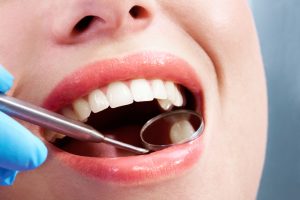 Comprehensive Tooth Protection: Crowns surround teeth completely, providing 360-degree protection against fracture, decay, and additional damage.
- Restored Chewing Function: Damaged teeth often cause patients to unconsciously avoid chewing on affected areas, leading to uneven wear on other teeth and potential jaw problems.
- Long-lasting Durability: Quality crowns routinely last 15-25 years with proper care, and many last even longer.
- Natural Appearance: Modern ceramic materials create crowns virtually indistinguishable from natural teeth.
- Preserved Facial Structure: By maintaining natural teeth and their roots, crowns help preserve the bone structure that supports your face. This prevents the sunken appearance that can develop after tooth loss.
- Improved Oral Health: Crowned teeth are easier to clean than teeth with large fillings or irregular surfaces.
- Enhanced Confidence: Knowing your teeth are strong and look beautiful eliminates the self-consciousness damaged teeth cause.
Caring for Your Dental Crowns: Maximizing Longevity
Crowned teeth require the same diligent home care as natural teeth. Following these guidelines helps ensure your crowns provide decades of reliable service:
Daily Oral Hygiene Practices
- Thorough Brushing Twice Daily: Use a soft-bristled toothbrush and non-abrasive toothpaste to clean all tooth surfaces, including the junction where your crown meets your gum line.
- Diligent Flossing Every Day: Pay special attention to the gum line where your crown meets your tooth, as this area can accumulate plaque.
- Rinse With Mouthwash: Using an antimicrobial mouthwash helps control bacteria around crown margins and throughout your mouth.
Protective Measures for Crown Longevity
-
- Nightguards for Grinding and Clenching
- Avoiding Hard Foods and Objects
- Managing Sticky Foods Carefully
- Regular Professional Maintenance
Crown Costs and Investment Value
Crown costs vary based on several factors, including material choice, tooth location, and case complexity. Most crowns range from $800 to $2,500 per tooth in the Scottsdale area.
Crown Pricing Factors
Material Selection: All-ceramic and zirconia crowns typically cost more than metal or porcelain-fused-to-metal options due to superior aesthetics and material costs. However, these premium materials deliver the natural appearance and biocompatibility that make them worth the investment.
Laboratory versus Same-Day Fabrication: CEREC same-day crowns may cost slightly more than laboratory crowns due to the advanced technology involved, but they eliminate the need for temporary crowns and second appointments. Many patients find the convenience and immediate results worth any additional cost.
Preliminary Treatments: If your tooth requires core buildup, post placement, or gum treatment before crown placement, these additional procedures affect the total treatment cost. Dr. Smith or Dr. Cooper will explain any necessary preliminary work during your consultation.
Insurance Coverage and Payment Options
 Most dental insurance plans cover a significant portion of crown costs when crowns are medically necessary rather than purely cosmetic. Coverage typically ranges from 50-80% of the crown cost after deductibles. Our administrative team works directly with your insurance provider to maximize your benefits and provide accurate cost estimates.
For patients without insurance coverage or for portions not covered by insurance, Pristine Dental offers flexible payment plans through our partnership with Cherry, as well as additional options with Proceed Finance and CareCredit. These financing options allow you to begin treatment immediately while spreading costs over manageable monthly payments.
We believe high-quality dental care should be accessible to everyone. Our team works with you to find payment solutions that fit your budget while providing the crown quality your smile deserves.
Frequently Asked Questions
Initially, you may notice your crown feels slightly different as you adjust to its presence. However, most patients adapt within a few days and can no longer distinguish crowned teeth from natural ones. We carefully adjust your crown during placement to ensure comfortable chewing and proper alignment with opposing teeth.
While the crown itself cannot decay, the natural tooth structure beneath the crown remains vulnerable. Cavities can develop where the crown meets your natural tooth if plaque accumulates around this junction. This makes diligent oral hygiene and regular dental cleanings essential for crowned teeth.
Contact Pristine Dental immediately at (480) 935-2424 if your crown becomes loose or dislodges. Keep the crown in a safe place and avoid chewing on that tooth. We can often recement dislodged crowns if you seek treatment promptly. Never attempt to reattach a crown yourself using household adhesives.
Depending on your situation, alternatives might include large fillings, inlays, onlays, or veneers. However, each option has limitations. Dr. Smith or Dr. Cooper will explain why they recommend crowns for your specific case and discuss any viable alternatives during your consultation.
Crowned teeth require the same thorough brushing and flossing as natural teeth. Pay special attention to the gum line where your crown meets your tooth, as this area can trap plaque. Water flossers or interdental brushes can help clean around crowns effectively if traditional floss proves challenging.
Crown materials don’t respond to teeth whitening treatments the way natural enamel does. Professional cleaning by our hygienists can remove surface stains, but the crown’s base color remains unchanged. If your natural teeth become significantly lighter than your crowns through whitening, you may need crown replacement to maintain color consistency.